
| Theme | Theme 3: BARRIERS TO WOMEN’S ECONOMIC EMPOWERMENT |
| Title of study | Gendered Impacts of Kenya Government Policy Response to Covid-19 Pandemic. |
| Brief introduction of Study (1 paragraph | The Coronavirus global crisis affected every aspect of people’s livelihoods, jobs, incomes, and social life. To contain the spread and mitigate the devastating impact of COVID-19, the government put a raft of measures/policies in place. These measures included travel restrictions, which were aimed at containing the spread of the disease. However, the measures inevitably resulted in disastrous short-term and long-term impacts on the tourism industry. This research project aimed to evaluate the gendered impact of the travel restriction’s government policy response to COVID-19 on the tourism industry. The specific objectives were: to evaluate the gendered impact of travel restrictions on employment in Kenya’s tourism industry; to evaluate the gendered impact of travel restrictions on incomes/revenue in the tourism industry; to evaluate the gendered impact of travel restrictions on women’s access to credit/finances in the tourism industry and to identify gendered interventions to promote women’s economic empowerment in times of disasters and crises. Data was collected from September 2019 to January 2022, employing a descriptive research design. A diverse sample of Kenya’s tourism enterprises from five regions (Malindi, Nairobi, Central Kenya, South Rift, and Western Circuit) were randomly selected. The sample consisted of 363 enterprises, with 31% owned by women and 69% by men. The study revealed that male-owned enterprises were the majority at 70%, while female-owned enterprises constituted 30%. Among the female employees, there was a distressing 43% decline in employment during 2020, accompanied by salary cuts, unpaid leaves, and job losses. Moreover, female-owned enterprises faced lower annual revenues, with 67% earning less than Kes. 5 million. Access to credit for female-owned enterprises was limited due to socio-economic reasons, with only 45% and 11% accessing loans from banks and SACCOs, respectively. The interventions proposed by over 60% of surveyed tourism enterprises advocated for amalgamation of licenses, reduction of taxes, government support, and affirmative action for women-owned tourism enterprises. These interventions would enhance women’s economic empowerment, including providing targeted financial support, facilitating access to credit, and fostering skills development. The implementation of such policies will be pivotal for levelling the business playing ground and creating a more inclusive and gender-responsive environment for women to thrive economically. |
| Primary Outcome | |
| Activities related to Policy & Advocacy carried out in the last six months. |
|
|
|
| Outputs- the products, services, events or deliverables produced. | · Consultation/validation workshop held 0n August 20th in Nakuru County
· A Final draft of Nakuru County Tourism Policy in place · An Appreciation Letter to the Gendered Team |
|
|
| Outcome- What changed, provide evidence |
|

Delegates at the Policy Validation Workshop on 20th August 2025 at the Nakuru Agricultural Training Centre.
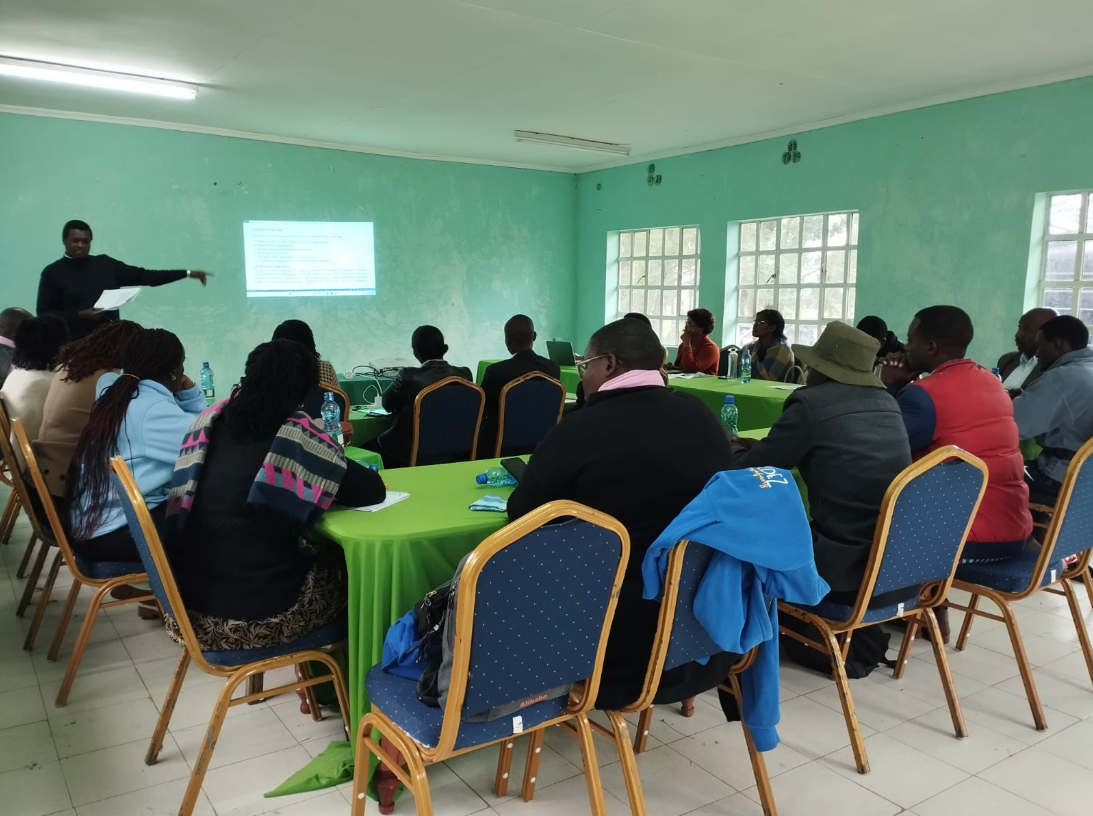
Mr Eric Muriuki,the Director of Culture presenting the draft Nakuru County Tourism Policy during the Policy Validation Workshop on 20th August 2025 at the Nakuru Agricultural Training Centre.
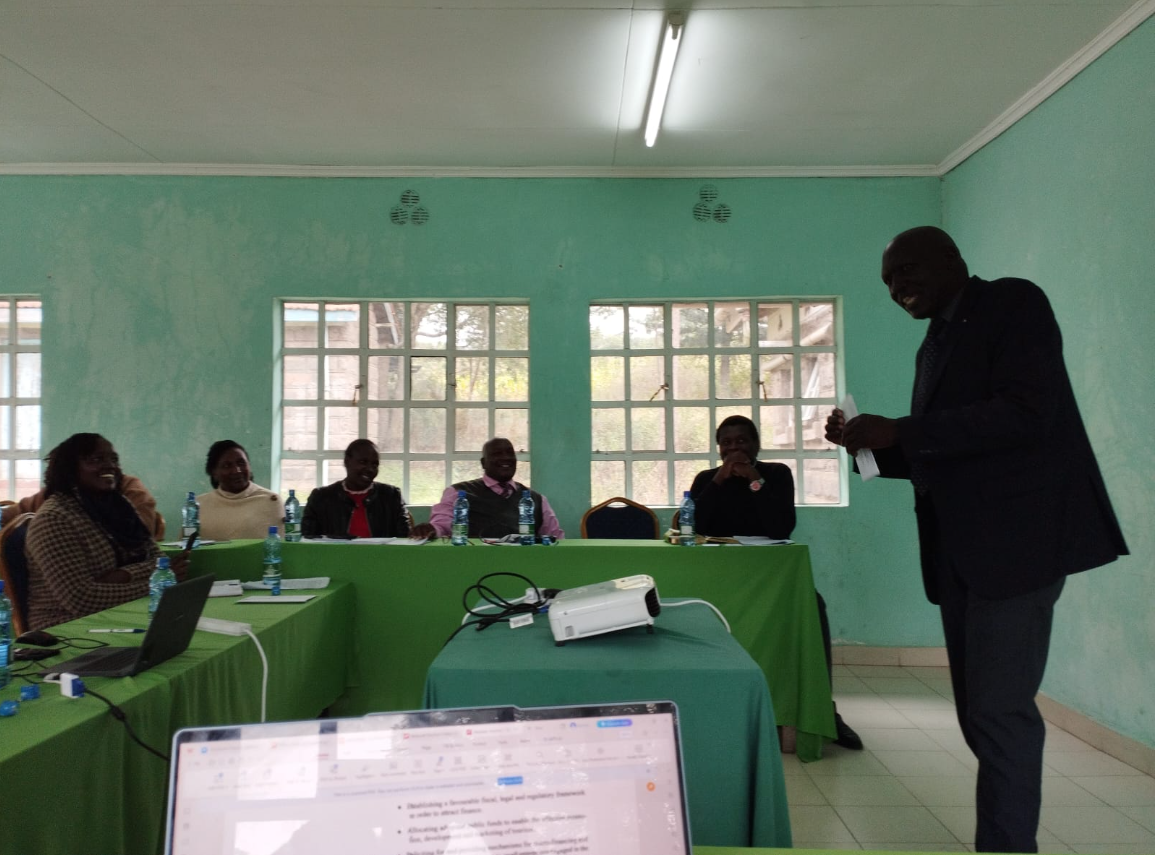
Mr. John Koech, the Chief Officer Tourism & Culture giving the keynote address during the Policy Validation Workshop on 20th August 2025 at the Nakuru Agricultural Training Centre.

Leave a Comment